

Views: 0 Author: Site Editor Publish Time: 2026-01-28 Origin: Site
The safe and effective use of a hard shell chamber is critical for achieving the best therapeutic results and ensuring the safety of patients. In this article, we will discuss the essential safety tips for using a hard shell chamber, the proper steps for preparation, safe operation, and post-treatment care, ensuring that the therapy is both effective and safe for patients.
Before starting any session in a hard shell chamber, it is crucial to ensure the equipment is in good condition and ready for safe use. Proper preparation helps prevent accidents and ensures that the session will be effective in providing therapeutic benefits.
Before each use, the chamber should undergo a comprehensive inspection to ensure it is functioning properly. Check chamber, confirming there are no leaks or signs of damage. Additionally, the oxygen supply system should be checked for functionality, and the ventilation system must be operational to maintain safe air quality inside the chamber.
It is also important to verify that all safety systems, such as pressure relief valves and emergency stop button, are in place and fully operational.
One of the most important steps in preparing for hyperbaric oxygen therapy is performing a health assessment of the patient. Certain health conditions may prevent the safe use of the hard shell chamber or require additional precautions. For example, patients with certain lung diseases, such as chronic obstructive pulmonary disease (COPD), may not be suitable for oxygen therapy without medical supervision. Other contraindications may include certain forms of untreated heart disease or the presence of implanted medical devices that may be affected by high-pressure environments.
A detailed medical history and physical examination should be conducted before each session to ensure that the therapy is appropriate for the patient’s condition. The Mayo Clinic recommends a thorough evaluation for all potential users to identify any contraindications before starting the therapy.
Ensure the Absence of Flammable Materials: High-pressure oxygen environments are highly sensitive to fire hazards. Ensure that no flammable materials are present inside the chamber, including items like oils, hairsprays, or certain clothing. Oxygen can ignite these substances in the presence of high-pressure environments.
Once the therapy session begins, it is essential to monitor the chamber and the patient continuously. Regular checks should be made on the oxygen concentration and chamber pressure to ensure they remain within the prescribed levels. Monitoring the patient’s comfort and wellbeing is also crucial to ensure the therapy is effective and safe.
Monitor Oxygen Levels and Pressure: Oxygen levels should be constantly monitored to ensure the patient is receiving the correct amount. The chamber pressure should also be regularly checked to confirm it remains stable.
User Comfort & Medical Support: Ensure the patient is comfortable throughout the session. This includes adjusting seating arrangements and ensuring that the patient is not feeling any undue pressure or discomfort. Additionally, medical staff should remain available to assist the patient in case of any discomfort or emergency.
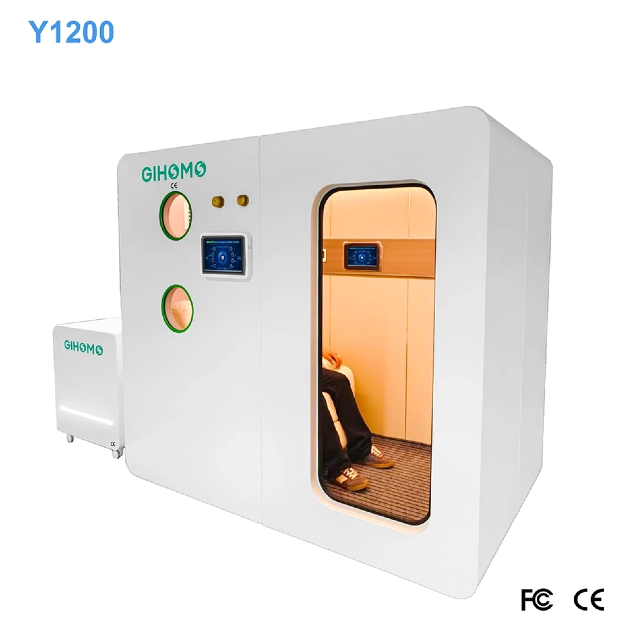
As previously mentioned, it is essential to ensure that no flammable materials are inside the chamber during operation.
Additionally, items such as electrical equipment and personal belongings must be carefully monitored to avoid accidental ignition.
One of the unique features of the GIHOMO hard shell chambers, such as the Y1200 1.5ATA model, is the use of a 24V DC low-voltage power supply. Unlike traditional AC-powered units, which can pose electrical hazards in high-pressure environments, low-voltage power supplies significantly reduce the risk of electrical sparks and overheating. This safety feature ensures that patients can enjoy a comfortable and safe oxygen therapy experience.
GIHOMO chambers are designed with this advanced safety feature in mind, ensuring minimal electrical risk in oxygen-enriched environments.
The interior of the chamber should be thoroughly cleaned after each session to maintain a hygienic environment. This includes wiping down all surfaces to remove any contaminants, dust, or debris that may have accumulated during the session. Regular cleaning also helps preserve the structural integrity of the chamber, ensuring it continues to function optimally over time.
Scheduled maintenance should be performed periodically to ensure the chamber operates at peak performance. This includes replacing filters, checking seals, and verifying that the pressure system and oxygen delivery mechanisms are functioning as expected.
While hard shell chambers are highly effective, certain mistakes can compromise both patient safety and the effectiveness of the therapy. Avoiding these mistakes will ensure that every session is as safe and effective as possible.
One common mistake is placing personal items inside the chamber that could interfere with the therapy or pose a safety hazard. It is essential to ensure that no objects are obstructing the oxygen flow or pressurization system. Items such as electronics, metal objects, and personal clothing should be strictly controlled before the session begins.
In summary, using a hard shell chamber safely and effectively is important. From pre-session preparations to post-session maintenance, following a structured approach ensures both the safety of the patient and the success of the treatment. At GIHOMO, we provide top-of-the-line hard shell chambers, such as the S920 1.8ATA model, which are designed with the latest safety features, including a 24V low-voltage power supply and water-cooled air conditioners, ensuring that patients receive the safest and most effective oxygen therapy possible. If you’re interested in learning more about our hyperbaric oxygen chambers or would like to inquire about our products, please don’t hesitate to contact us today.
Q1: How can I ensure the hard shell chamber is safe to use?
Before each session, ensure the chamber is properly checked for leaks, that the oxygen supply system is functioning, and that the patient is assessed for any contraindications.
Q2: How long does each session in a hard shell chamber last?
Typically, sessions last between 60-90 minutes, depending on the treatment protocol and the patient’s condition.
Q3: Is a hard shell chamber safe for long-term use?
Yes, as long as the chamber undergoes regular maintenance and is used following proper safety protocols, it is safe for long-term use.


