


Views: 0 Author: Site Editor Publish Time: 2025-08-01 Origin: Site


Choosing between pulse flow and continuous flow is not as simple as matching the number on an oxygen concentrator to a desired flow rate. Pulse systems deliver oxygen in breath-triggered doses, while continuous flow provides a steady supply over time, so their settings are not directly interchangeable. The difference becomes even more important when an oxygen supply system connects to rehabilitation or home hyperbaric equipment. Understanding delivery behavior, flow, oxygen concentration, pressure, and system compatibility helps buyers choose equipment that fits the actual application rather than relying on portability or headline specifications alone.
A continuous-flow oxygen concentrator provides a steady stream that is normally described in liters per minute. If the system is set to a defined flow, oxygen continues to leave the outlet during inhalation, exhalation, and the pauses between breaths. That predictable time-based output makes continuous flow relatively straightforward to evaluate when a connected setup calls for a specified volume of oxygen over time.
Pulse delivery operates on a different logic. A sensor detects inhalation and releases a bolus of oxygen during the breathing cycle rather than maintaining an uninterrupted stream. Delivered oxygen can vary with breathing frequency and other respiratory characteristics, while bolus size may also change as respiratory rate increases. This is why comparing pulse and continuous flow only by the numbers displayed on their control panels can be misleading.
A pulse setting is usually a device-specific control level, not a direct continuous-flow measurement. Setting “3,” for example, should not automatically be read as 3 L/min, because pulse systems release oxygen breath by breath rather than as a constant liter-per-minute stream. Nominal pulse settings and continuous-flow values therefore represent different operating characteristics and are not directly interchangeable.
Buyers should look beyond the largest number shown on the device. Relevant specifications include the amount and timing of each pulse, oxygen concentration under the intended operating condition, trigger sensitivity, and the expected breathing pattern. For continuous systems, sustained flow capacity is easier to compare directly, but it still needs to be considered alongside concentration and, for equipment-connected applications, pressure.
When oxygen demand stays relatively steady for an extended session, predictability becomes more valuable than conserving oxygen between individual breaths. Continuous flow gives the buyer a defined output rate that can be compared with the requirements of the intended setup. This is especially useful when the concentrator is stationary or forms part of a broader rehabilitation or wellness system rather than moving with the user.
The advantage here is not that continuous flow is automatically “stronger.” Its practical value comes from delivering oxygen independently of inhalation detection, which removes one variable from system matching. Pulse and continuous delivery can produce different inspired oxygen behavior as breathing conditions change, so the application should guide the choice rather than a nominal setting alone.
Pulse flow becomes more attractive when mobility and efficient personal delivery are central to the use case. Since oxygen is released around inhalation rather than continuously, the system does not need to maintain the same uninterrupted output pattern between breaths. This delivery approach supports portable designs where conserving power and reducing equipment size matter.
Portability, however, should remain secondary to suitable output. A compact oxygen concentrator offers little practical benefit if its pulse behavior does not match the user's real breathing pattern or required oxygen delivery. Breath detection, pulse volume, and performance as respiratory rate changes should therefore be checked before size or convenience becomes the deciding factor.
A useful dividing line is whether the oxygen primarily follows a person or feeds another device. In person-centered use, breathing behavior strongly influences how pulse delivery performs. In equipment-centered use, the more relevant question is whether the oxygen supply system can maintain the required output continuously.
That difference becomes particularly important with a home hyperbaric chamber or rehabilitation setup. Here, the concentrator is not simply waiting to detect each inhalation; it must support the operating conditions required by the connected equipment. Flow, oxygen concentration, and delivery pressure therefore move ahead of portability in the buying hierarchy.
A headline flow figure such as 10, 20, or 30 L/min gives only one part of the specification. Flow rate describes the amount supplied over time, while oxygen concentration indicates how oxygen-rich that output remains. Delivery pressure answers another question: can the oxygen supply move its output into the connected chamber under the intended operating conditions?
For home hyperbaric equipment, those values need to be considered together when selecting a high-pressure Oxygen Supply System that can maintain the required flow, concentration, and delivery pressure. Gihomo chamber-oriented oxygen concentrators are designed for high-pressure oxygen delivery, with configurations capable of supplying oxygen concentrations above 90% to compatible hyperbaric chamber setups. In this context, effectiveness means stable and sufficient oxygen output for the equipment, not a claim about treating a particular condition.
Continuous delivery fits this type of matching problem more naturally because the target is an equipment requirement rather than an inhalation event. A chamber setup needs a reliable source throughout operation, so buyers gain more useful information from sustained flow, concentration, and pressure specifications than from breath-triggered efficiency.
Even a high-purity Oxygen Concentrator must provide sufficient delivery pressure if concentrated oxygen needs to enter a pressurized chamber effectively. As chamber pressure rises, a high-pressure Oxygen Concentrator needs sufficient delivery pressure to move oxygen reliably into the connected system. This makes pressure a functional compatibility specification rather than a secondary technical detail.
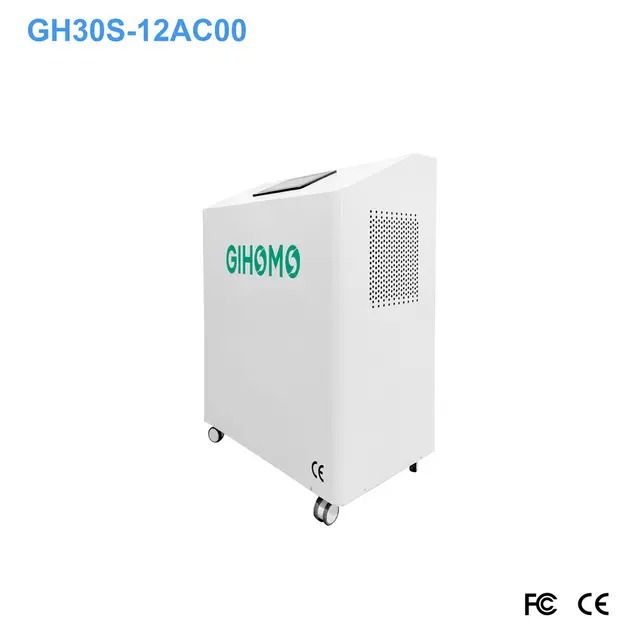
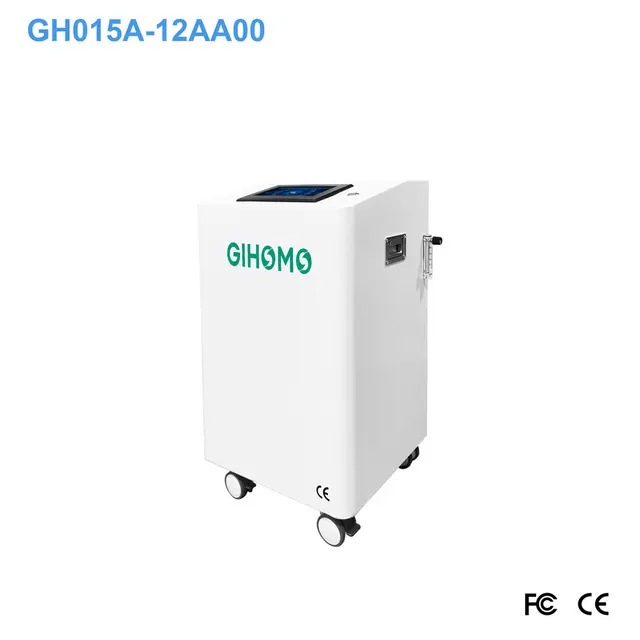
Gihomo offers different capacity and pressure combinations for chamber-oriented setups. A 10 L/min configuration provides 90–95% oxygen concentration with 100 kPa delivery pressure, while a 20 L/min configuration provides at least 90% concentration with 100 kPa delivery pressure. The 30 L/min configuration increases delivery pressure to 120 kPa while maintaining at least 90% oxygen concentration in pure-oxygen mode.
These specifications should not be read as a simple ladder where the largest flow number is always the best choice. The appropriate capacity depends on what the connected chamber or rehabilitation system actually requires. Oversimplifying the decision to “more liters equals better performance” ignores concentration, pressure, and overall system compatibility.
Maximum specifications attract attention because they are easy to compare, but the operating point matters more. A well-matched high-efficiency Oxygen Concentrator needs to provide the required flow while maintaining suitable concentration and delivery pressure throughout the intended session. A brief peak value tells the buyer less than stable performance under normal operating conditions.
For chamber-connected equipment, effectiveness should therefore be evaluated as a combination of consistency and compatibility. A high nominal flow is not useful if pressure is insufficient for the connected system, and strong pressure alone does not compensate for inadequate oxygen output. The specifications have to work as a coordinated set rather than as isolated selling points.
Once an oxygen concentrator becomes part of a chamber system, safety depends on more than the oxygen generator itself. Operating variables such as chamber pressure, oxygen conditions, temperature, humidity, and session timing can affect whether the overall setup remains within its intended conditions. Monitoring gives the user visibility into those parameters instead of requiring decisions based only on the concentrator's flow setting.
Gihomo chamber-oriented oxygen supply systems incorporate real-time monitoring and adjustment functions for key operating conditions. The 20 L/min configuration can monitor the chamber environment and automatically adjust parameters including oxygen conditions, air pressure, and humidity, while user controls allow pressure and operating time to be set for the intended session. These functions help keep the overall environment controlled rather than treating oxygen generation as an isolated task.
A home rehabilitation or wellness setup should not require complicated day-to-day control simply because several parameters need to be monitored. Clear displays, accessible settings, automated adjustment, and straightforward timing controls can make the system easier to operate while retaining important safeguards. The goal is simple interaction backed by adequate monitoring rather than simplifying the equipment by removing useful controls.
Gihomo systems use user-accessible control layouts designed for straightforward chamber operation. Selected configurations include controls accessible from both inside and outside the chamber, allowing operating parameters to be adjusted without making normal home use unnecessarily complicated. For home use, this type of design can support convenience while keeping stability and safety central to the setup.
When oxygen delivery is person-centered, begin with how the unit responds to breathing rather than how its pulse-setting numbers look beside continuous-flow figures. The practical match depends on whether inhalations are detected reliably and whether each pulse provides suitable output under the user's normal activity pattern. Pulse delivery behavior can change as breathing frequency and respiratory conditions change, making actual delivery performance more meaningful than a nominal setting.
Prioritize:
● reliable breath triggering and appropriate bolus behavior;
● oxygen concentration at the intended operating setting;
● performance as respiratory rate changes;
● size, weight, power demand, and battery requirements only after delivery needs are met.
Pulse flow is best viewed as a strong match when on-demand delivery and mobility are genuinely central to the application, rather than as an inherently superior oxygen delivery method.
For equipment-centered use, reverse the usual consumer shopping process. Start by identifying the requirements of the home hyperbaric chamber or wellness equipment, then match the oxygen source to those requirements rather than choosing a concentrator first and trying to make the system fit afterward.
When a high-flow Oxygen Concentrator feeds chamber or rehabilitation equipment, confirm the required continuous flow first, then verify oxygen concentration and sufficient delivery pressure. After those three core parameters are matched, check monitoring, controls, and other safety-related functions. Gihomo's chamber-oriented range combines high-flow oxygen output, specified delivery pressure, environmental monitoring, and accessible controls for integration with compatible hyperbaric equipment.
Size and mobility can still influence the final choice, but they belong near the end of the decision process. A useful rule is simple: match delivery behavior first, system specifications second, and convenience features third.
Pulse flow and continuous flow serve different needs, so choosing an oxygen concentrator should start with delivery behavior rather than a single flow setting. Mobility may favor breath-triggered delivery, while home hyperbaric chambers and rehabilitation equipment require closer attention to continuous flow, oxygen concentration, delivery pressure, and overall system compatibility. Guangdong Gihomo Medical Technology Co., Ltd. provides oxygen concentrator and oxygen supply system options designed for integration with hyperbaric chamber setups. Matching these specifications to the intended application helps create a safer, more stable, and easier-to-manage oxygen setup.
A: Pulse flow releases oxygen when inhalation is detected, while continuous flow supplies oxygen at a steady rate regardless of breathing. Their output should therefore be evaluated differently.
A: No. Pulse settings represent device-specific breath-triggered output, while continuous flow is measured in liters per minute. Matching the same number does not guarantee equivalent oxygen delivery.
A: Pulse flow often supports smaller, more energy-efficient portable units, while continuous flow prioritizes steady oxygen delivery. The better option depends on required output, breathing behavior, and mobility needs.
A: Check continuous flow capacity, oxygen concentration, delivery pressure, and compatibility with the chamber. These specifications matter more than portability when oxygen must reliably feed pressurized equipment.
A: Pulse systems depend on detecting inhalation and delivering a bolus at the right time. Changes in respiratory rate or breathing pattern can influence how much oxygen reaches each breath.


